Modern devices are built to handle demanding tasks, but they are often vulnerable to environmental conditions. Moisture, dust, and sudden weather changes can quietly damage sensitive electronics, leading to costly repairs or replacements. Whether used in industrial settings, outdoor installations, or even residential applications, protecting devices is no longer optional, it is essential.
One of the most effective solutions is the use of waterproof electronics enclosures. For a deeper understanding and reliable options, you can explore a trusted website that showcases various enclosure types suited to different environments. These protective casings are designed to shield internal components from harsh conditions while maintaining performance and reliability. Understanding how to choose and use them correctly can make a significant difference in device longevity and efficiency.
Why Environmental Protection Matters
Electronic components are highly sensitive to external factors. Even a small amount of moisture can cause corrosion, short circuits, or system failure. Dust and debris can also accumulate over time, reducing airflow and increasing the risk of overheating.
In outdoor or industrial environments, these risks are even greater. Rain, humidity, and temperature fluctuations create constant exposure that can degrade devices quickly. Without proper protection, even high-quality equipment can fail prematurely.
Waterproof enclosures act as a barrier, ensuring that devices continue to operate smoothly regardless of the surrounding conditions. This not only improves reliability but also reduces maintenance costs over time.
Understanding Waterproof Electronics Enclosures
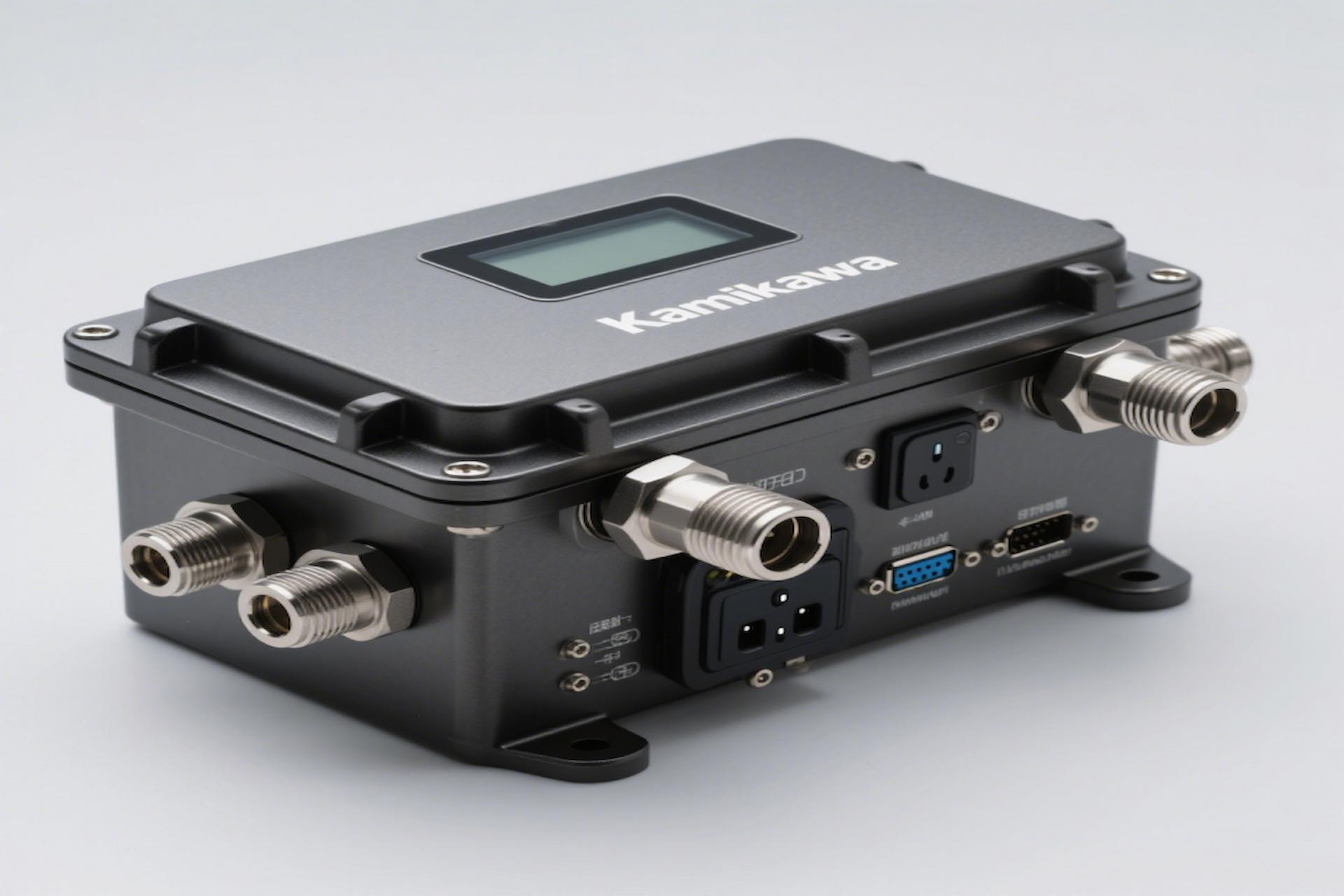
A waterproof electronics enclosure is a sealed housing designed to protect internal components from water ingress and environmental damage. These enclosures are typically made from durable materials such as polycarbonate, aluminum, or stainless steel, each offering different levels of protection and strength.
Most enclosures are rated using standards such as IP (Ingress Protection) ratings. For example, an IP65 or IP67 rating indicates a high level of resistance against water and dust. Choosing the right rating depends on where and how the device will be used.
It is important to note that “waterproof” does not always mean submersible. Some enclosures are designed for splashes and rain, while others can withstand full immersion. Understanding these differences helps in selecting the right solution for specific needs.
Choosing the Right Enclosure for Your Needs
Selecting an appropriate enclosure requires careful consideration of several factors. The environment in which the device will operate plays a key role. For outdoor use, a higher IP rating is generally required to handle rain and humidity.
Size and internal space are also important. The enclosure must comfortably house the device without restricting airflow or causing overheating. At the same time, it should not be excessively large, as this can reduce efficiency and increase installation costs.
Material choice is another critical factor. Plastic enclosures are lightweight and corrosion-resistant, making them suitable for many applications. Metal enclosures, on the other hand, offer greater strength and are ideal for industrial environments where durability is essential.
Proper Installation Techniques
Even the best enclosure can fail if it is not installed correctly. Ensuring a proper seal is crucial to maintaining its waterproof properties. Gaskets, seals, and closures must be fitted securely to prevent any gaps where water could enter.
Cable entry points are often the weakest areas in an enclosure. Using high-quality cable glands and ensuring they are tightened properly helps maintain the integrity of the enclosure. It is also important to avoid overloading the enclosure with too many cables, as this can compromise the seal.
Mounting position should also be considered. Installing the enclosure in a location that minimises direct exposure to heavy rain or standing water can further enhance its effectiveness.
Maintenance and Regular Inspection
While waterproof enclosures are designed for durability, regular maintenance is still necessary. Over time, seals can wear out, and small cracks or gaps may develop. Routine inspections help identify these issues before they lead to serious problems.
Cleaning the enclosure periodically is also important. Dust and debris can accumulate on the surface and around seals, potentially affecting performance. A simple wipe-down and inspection can go a long way in maintaining protection.
If any signs of damage are found, replacing seals or components promptly ensures continued reliability. Preventive maintenance is always more cost-effective than dealing with unexpected device failure.
Applications Across Different Industries
Waterproof electronics enclosures are used across a wide range of industries. In telecommunications, they protect network equipment installed outdoors. In manufacturing, they safeguard control systems from dust and moisture. Even in residential settings, they are used to protect garden lighting systems and outdoor security devices.
When selecting the right solution, understanding options such as waterproof electronics enclosure systems, IP67 enclosures, and NEMA6 Enclosures can make the decision more precise and effective. You can check the website if looking to explore reliable enclosure options in detail. Visiting a trusted supplier’s website can provide valuable insights into available products and specifications.
Enhancing Device Longevity and Performance
Using a waterproof enclosure is not just about protection—it is about extending the life of your devices. By shielding components from environmental stress, these enclosures help maintain consistent performance over time.
They also contribute to energy efficiency. Devices that are protected from dust and moisture are less likely to overheat, reducing the need for additional cooling and lowering energy consumption. This makes them a practical and sustainable solution for long-term use.
Conclusion
Protecting electronic devices from environmental damage is essential in today’s technology-driven world. Waterproof electronics enclosures offer a reliable and effective way to safeguard sensitive components from moisture, dust, and other external threats. By choosing the right enclosure, installing it correctly, and maintaining it regularly, users can significantly improve the durability and performance of their devices. Whether for industrial, commercial, or residential use, these enclosures provide peace of mind and long-term value.
Investing in proper protection today helps avoid costly issues tomorrow, ensuring that your devices continue to perform when you need them most.